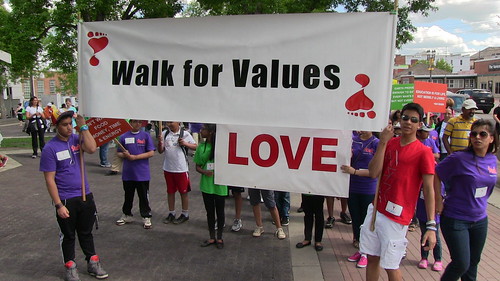
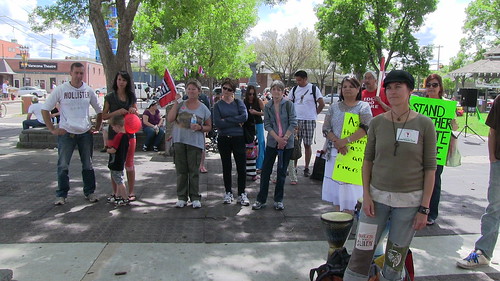
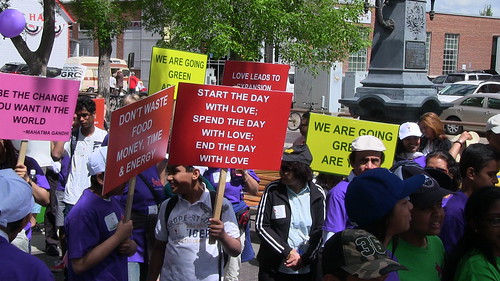
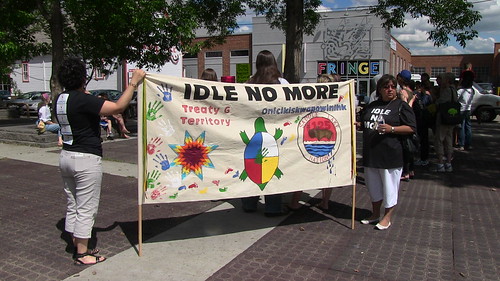
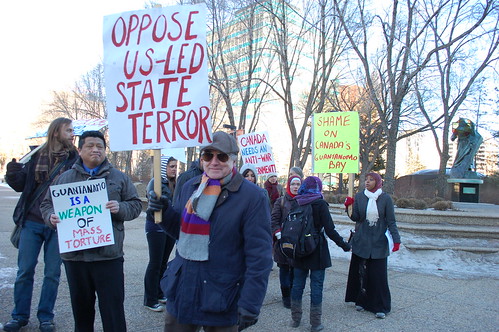
I was asked to give a talk about the connections between Goddess spirituality and activism at the Alberta Goddess Conference in the fall of 2013. Unfortunately, due to various logistical problems the conference did not happen. However, since I spent time researching and writing on this topic, which has opened up a world of interest in this particular spiritual viewpoint, I have decided to share my workshop notes here. As well, I would be available to give this workshop in Edmonton to interested groups.
Welcome (is
everyone okay with this being videoed?)
Go around and
introduce ourselves, and speak briefly as to why we’re here.
Introduce myself
- Freelance writer/editor/photographer involved with
community and independent media. I document the local activist scene through my
website Radical Citizen Media and am also an organizer with the Edmonton Coalition Against War & Racism, and a founder of the Daughters Day
initiative, which celebrates the lives and achievements of women and girls
while raising awareness of human rights abuses. I’m also a musician (a “protest
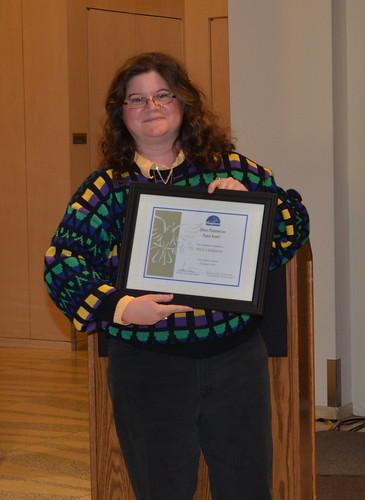
singer”) and in 2012 I received the Salvos Prelorentzos Peace Award from
Project Ploughshares, a peace organization.
- I come from a traditional Jewish home, spent a while
involved with a group that is essentially an Evangelical church that uses
Jewish forms of worship and symbols, and am now exploring earth-based religion
and seeing some natural connections between it and the religion of my origin.
But today, I am here to talk about activism and Goddess spirituality.
About Activism
Part of spirituality is to celebrate our senses
Activism =
sense-itivity to the world around us
Activism and
spirituality are connected, regardless of which spirituality or religion one
follows, activism are the actions that back up or support our beliefs,
meditations, prayer, rituals. In Christianity, faith without works is dead, and
there are similar sayings in other religions too.
Activism
involves a cause we believe deeply in. We often think of it as a global or
large issue (foreign policy, peace, the environment,) but it can also be
something small and affecting our lives locally (getting a traffic light
installed in a busy intersection).
Activism and
Goddess spiritually most naturally and historically connects with feminism, and
the modern Goddess movement is linked with feminism through celebrating our
innate power as women. Alternately, feminism is a modern activist movement. But
Goddess activism is not just limited to causes affecting those who identify as women.
In the activist community, most people are known for favouring a specific
cause, so to be an activist you just have to find a cause that resonates with
you. Then, connect with others who share those values. Things have changed a
lot in this regard – I had to get online and really dig around, but it’s easier
now with social media like Facebook and Twitter being so prevalent.
Empowerment of
women is only one reason why Goddess or Earth-based spirituality in general is
attractive to a growing number of people. Because there is no dogma, no central
authority, no official leaders, and really no hard and set rules, Wicca and
neo-Paganism can attract left-learning, anti-authoritarian kinds of people like
anti-capitalists and anti-globalization activists.
Challenges
Being a Goddess
activist has challenges. Some of these challenges are the same for all
activists, but they can affect us as women in different ways. These include:
Lateral violence: (gossip, backstabbing
amongst other activists, rising from jealousy and other issues);
Sexism: (for example, men hold the
“leadership” positions but it’s actually the women doing all of the work. I
read a stat a while back that 90% of volunteer work in churches and non-profits
was done by women).
Activist burn out: we have lives apart
from activism, families, lovers, other interests, careers. Self care is
important. The personal is political: if we are a bunch of burned out, unhappy
people in our personal lives, we’re not going to be as effective as activists,
as most importantly, be physically and emotionally healthy as people. This
where our spirituality is important, as giving us a foundation and energy
release.
To discuss how
Goddess spirituality can be applied to activism, I am picking two major
activist themes that directly relate:
A. Environment
- In most writings about Goddess spirituality, Wicca, and
Paganism, nature is considered sacred. Just read
Starhawk, or any other major
author that writes about this faith tradition.
- Goddess spirituality is part of Earth-based religion.
We are part of nature, we are guardians of nature, and we have to respect
nature.
B. Peace
- Just like nature is sacred, life is sacred. Cyclical:
We are also part of nature. Spiritually and physically – regardless of one’s
views of the afterlife, our physical bodies return to the earth one way or the
other.
- Our bodies are
sacred space – how we treat each other is essential to peace. Behaviours like
yelling and gossip are a form a personal violence. We will never be able to
stop violence on a broader scale if we don’t treat each other with respect.
- Threefold Law
of return: Every action has a threefold return. So, activism is something that
should be a regular part of our lives, because we’re sending out positivity and
good vibes with our actions.
- Activism does
not always have to involve big, grand actions. Words have power. Making
affirmations is important and can have a positive effect in changing the world.
C. Animal Rights
- Humans are
sacred, but no more sacred than anything else on Earth. Humans and animals are
equal. This is why Earth-based spiritual practitioners are often animal rights
activists and vegetarians/vegans.
Summary
Activism and
Earth-based Goddess spirituality are interconnected. Not every activist is a
Pagan or Wiccan, but a large proportion of Pagans and Wiccans are activists
because of the connections between the sacred and the earth and our bodies.
Questions/Comments?